My Dog Ate a Mushroom in the Yard! A Veterinarian Explains What You Need to Know
If your dog ate a wild mushroom, don't wait to see if symptoms develop. Learn why mushroom poisonings are unpredictable, what to do immediately, which signs require emergency care, and how veterinarians diagnose and treat mushroom toxicity.
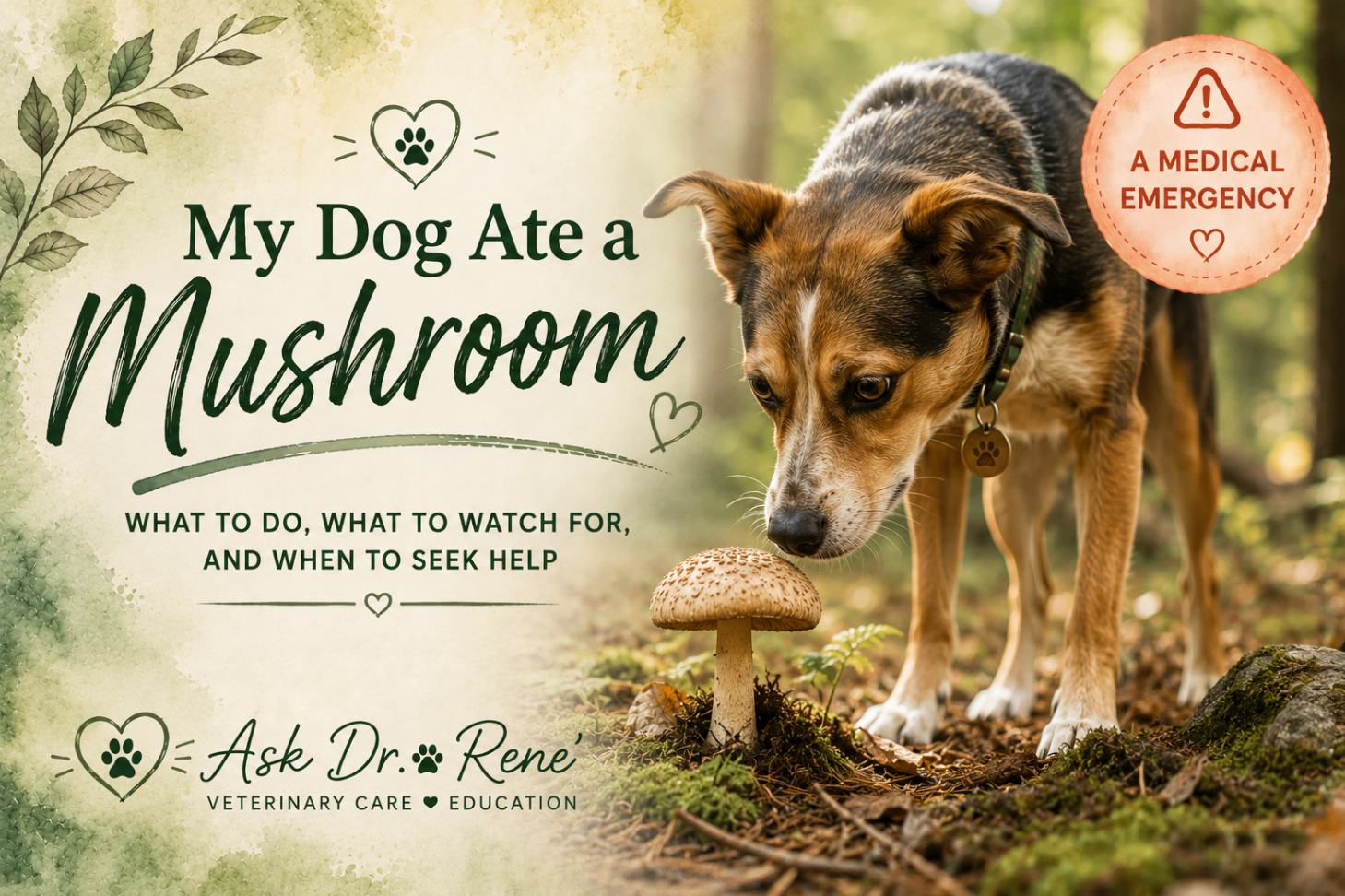
One of the most alarming phone calls we receive is:
"My dog just ate a mushroom from the backyard. What do I do?"
If this just happened to your dog, take a deep breath. While many mushrooms are relatively harmless, there is no reliable way for the average pet owner — or even many veterinarians — to identify a mushroom simply by looking at it.
Some mushrooms cause nothing more than a mild upset stomach. Others can lead to liver failure, kidney damage, severe neurologic signs, heart abnormalities, or death. The challenge is that you often don't know which type your dog ate.
Because of that uncertainty, veterinarians recommend treating every wild mushroom ingestion as potentially dangerous until proven otherwise.
Are All Wild Mushrooms Toxic?
No. North America is home to thousands of mushroom species, and fortunately, only a small percentage contain life-threatening toxins.
However, those dangerous mushrooms can grow:
- In suburban lawns
- Around trees
- Along sidewalks
- In flower beds
- At dog parks
- On hiking trails
- After periods of rain
There is no "safe-looking" mushroom. Color, shape, size, smell, and location do not reliably predict toxicity. One harmless mushroom may grow only inches away from one capable of causing fatal liver failure.
Why Are Mushrooms So Dangerous?
Unlike chocolate or xylitol, mushroom toxicity isn't caused by a single poison. Different mushrooms contain completely different toxins, each targeting different organs.
- Some primarily affect the digestive tract.
- Others attack the liver.
- Some damage the kidneys.
- Others interfere with the brain, heart, or nervous system.
Because of this, the symptoms — and the urgency — depend entirely on which mushroom was eaten.
Types of Mushroom Poisoning in Dogs
Gastrointestinal Mushrooms
These are the most common. Symptoms typically begin within 30 minutes to 3 hours and include:
- Vomiting
- Diarrhea
- Drooling
- Mild abdominal pain
- Temporary lethargy
Most dogs recover with supportive care.
Hepatotoxic (Liver-Damaging) Mushrooms
These are the mushrooms veterinarians fear the most. Species containing amatoxins (such as certain Amanita species) can cause severe destruction of liver cells.
One of the frightening aspects is that dogs may appear to improve after the initial vomiting phase before rapidly developing liver failure over the next 24–72 hours.
Signs may include:
- Severe vomiting
- Bloody diarrhea
- Weakness
- Jaundice
- Bruising
- Low blood sugar
- Collapse
- Seizures
Without aggressive treatment, these poisonings can be fatal.
Neurotoxic Mushrooms
Some mushrooms affect the brain and nervous system. Signs may include:
- Tremors
- Muscle twitching
- Agitation
- Hallucination-like behavior
- Incoordination
- Dilated pupils
- Seizures
- Coma
These dogs often require hospitalization and intensive monitoring.
Kidney-Toxic Mushrooms
Less common but extremely serious. Symptoms may not develop for many hours and can include:
- Vomiting
- Increased thirst
- Increased urination
- Loss of appetite
- Kidney failure
What Should I Do If My Dog Ate a Mushroom?
Time matters. If you witness the ingestion:
Step 1: Remove the mushroom. Prevent your dog from eating more.
Step 2: Take photographs. Photograph the top, the underside, the stem, the base, and the surrounding area. Many mushrooms cannot be identified without seeing all of these structures.
Step 3: Save a sample. Wear gloves if possible. Place the mushroom in a paper bag or clean container.
Step 4: Call your veterinarian immediately. Do not wait for symptoms.
Should I Make My Dog Vomit?
Sometimes — but only under veterinary guidance. Vomiting is often most helpful when the ingestion was recent, your dog is awake and alert, and no neurologic signs are present.
Never attempt to induce vomiting if your dog is:
- Tremoring
- Seizing
- Extremely sleepy
- Weak
- Having difficulty breathing
In these situations, vomiting could lead to aspiration pneumonia or other complications.
How Soon Do Symptoms Start?
This depends entirely on the toxin involved.
Early-Onset Mushrooms
Symptoms may begin within 30 minutes to 2 hours. Usually gastrointestinal or neurologic.
Delayed-Onset Mushrooms
Symptoms may not appear for 6–24 hours. Unfortunately, delayed symptoms are often associated with the most dangerous liver and kidney toxins.
This is why feeling normal immediately after eating a mushroom does not guarantee your dog is safe.
How Is Mushroom Poisoning Diagnosed?
Diagnosis is based on a combination of:
- History of ingestion
- Physical examination
- Blood work
- Urinalysis
- Identification of the mushroom (when possible)
Veterinarians may also consult mushroom experts or poison control specialists. Interestingly, identifying the mushroom is often much harder than owners expect. Even experts sometimes require microscopic examination.
Treatment
Treatment depends on the suspected mushroom, time since ingestion, clinical signs, and blood work results. Possible treatments include:
Decontamination
Inducing vomiting and, in some cases, activated charcoal. Activated charcoal may help reduce absorption of certain toxins when given early.
Intravenous Fluids
Help maintain hydration and support kidney function.
Liver-Protective Medications
For suspected amatoxin exposure, medications such as N-acetylcysteine (NAC), S-adenosylmethionine (SAMe), silybin (milk thistle extract), or other supportive therapies may be recommended based on the clinical situation.
Anti-Nausea Medication
Controls vomiting and helps prevent dehydration.
Anti-Seizure Medication
Used when neurologic toxins are involved.
Blood Monitoring
Serial blood tests allow veterinarians to monitor liver values, kidney values, electrolytes, blood sugar, and clotting function. Some dogs may require hospitalization for several days.
Can Mushroom Identification Apps Be Trusted?
No. Apps can be fun educational tools, but they should never determine whether a mushroom is "safe." Even experienced mycologists occasionally require multiple photos, spore prints, microscopic examination, and geographic information.
If your dog ate a mushroom, treat it as potentially toxic until your veterinarian advises otherwise.
Examples of Dangerous Mushrooms
Important: These are examples of mushrooms that can be toxic to dogs. Many toxic mushrooms closely resemble harmless species, and many harmless mushrooms resemble toxic ones. Never rely on appearance alone to decide whether a mushroom is safe.
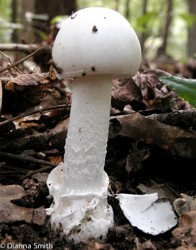
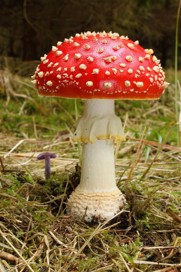
- ☠️ Death Cap (Amanita phalloides) — Causes severe liver failure. Can be fatal without aggressive treatment. Often found near hardwood trees.
- ☠️ Destroying Angels (Amanita species) — Bright white mushrooms. Contain the same deadly toxins as the Death Cap. Extremely dangerous if ingested.
- ⚡ Fly Agaric (Amanita muscaria) — Red cap with white spots (the classic fairy-tale mushroom). Primarily affects the nervous system. Can cause tremors, incoordination, agitation, and seizures.
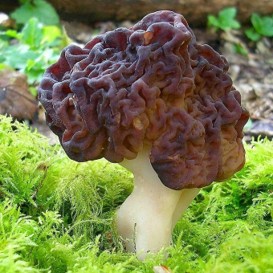
- 🧠 False Morels (Gyromitra species) — Wrinkled, brain-like appearance. Can cause neurologic signs and liver injury.
- 🫘 Little Brown Mushrooms (LBMs) — A nickname for many small brown mushrooms that are difficult to distinguish. Some are harmless, while others can be highly toxic. They should never be assumed to be safe.
Remember: If your dog eats any wild mushroom, don't spend valuable time trying to identify it online. Take photos, save a sample if possible, and contact your veterinarian promptly.
Frequently Asked Questions
- My dog only took one bite. Is that enough to hurt them?
Unfortunately, yes. Some toxic mushrooms can cause severe illness after surprisingly small amounts.
- My dog vomited the mushroom. Are we okay now?
Not necessarily. The toxin may already have been absorbed. Your veterinarian may still recommend blood work or observation.
- My neighbor says deer eat these mushrooms all the time. Does that mean they're safe?
No. Different species tolerate toxins differently. What is harmless to wildlife may be dangerous to dogs.
- My dog has eaten mushrooms before and was fine. Can I just watch them?
No. The mushroom your dog found today may not be the same species they encountered previously. Each exposure should be evaluated individually.
Prevention
The best prevention is regular yard inspections, especially after rain. Remove mushrooms promptly while wearing gloves. Supervise curious puppies and dogs that enjoy eating plants or fungi. Teach a reliable "leave it" command, and avoid allowing dogs to forage for mushrooms on walks or hikes.
Dr. Rene's Clinical Pearls
- 🍄 I don't expect owners to identify mushrooms. One of the biggest misconceptions I hear is, "I couldn't tell what kind it was." Neither can most veterinarians — and that's okay. What matters is recognizing that your dog ate one and seeking advice promptly.
- 🍄 A clear photo is often more valuable than the mushroom after it's been crushed. Take pictures before anyone steps on it or throws it away. Photograph the cap, the underside, the stem, and the base. Those details may help experts narrow down the possibilities.
- 🍄 Delayed symptoms worry me the most. If a dog becomes sick 12 to 24 hours after eating a mushroom, I'm immediately concerned about toxins that can affect the liver or kidneys. Those cases deserve urgent veterinary evaluation.
- 🍄 Don't rely on social media for mushroom identification. Well-meaning strangers may confidently identify the wrong species. A mistaken "It's safe!" comment can delay life-saving treatment.
- 🍄 When in doubt, call. The vast majority of mushroom ingestions do not end in tragedy — but the few that do are serious enough that it's never worth taking a wait-and-see approach without veterinary guidance.
The Bottom Line
Most mushrooms your dog encounters will not be life-threatening, but there is no reliable way to know which ones are dangerous just by looking at them. Because some species can cause severe liver damage, kidney failure, or neurologic disease, every wild mushroom ingestion should be taken seriously.
If your dog eats a mushroom, remove any remaining pieces, take clear photos, save a sample if possible, and contact your veterinarian immediately. Early evaluation and treatment offer the best chance for a full recovery.
References
- Merck Veterinary Manual. Mushroom Poisoning in Dogs and Cats.
- ASPCA Animal Poison Control Center. Toxic and Non-Toxic Mushroom Guidance.
- Pet Poison Helpline. Mushroom Poisoning in Dogs.
- North American Mycological Association (NAMA). Mushroom Poisoning Resources.
- Gwaltney-Brant SM, ed. Veterinary Toxicology. Elsevier.
Educational only. This article is not a substitute for veterinary care. If your pet is unwell, please contact your veterinarian.
Keep reading
My Dog Put a Toad in Their Mouth! A Veterinarian Explains What to Do
If your dog picked up or licked a toad, don't panic—but act quickly. Learn how to flush your dog's mouth safely, recognize the signs of toad poisoning, and know when emergency veterinary care is needed.
Read ToxicitiesMy Dog Ate Grapes or Raisins: How Dangerous Is It and What Should I Do?
If your dog ate grapes or raisins, don't wait for symptoms before calling your veterinarian. Unlike many toxins, grape poisoning is unpredictable, and even small amounts can lead to life-threatening kidney failure in some dogs. Learn what to do immediately and why early treatment is so important.
Read ToxicitiesMy Dog Ate Chocolate: How Much Is Dangerous and What Should I Do?
If your dog ate chocolate, don't panic—but don't ignore it either. Learn which types of chocolate are most dangerous, how toxicity is calculated, what symptoms to watch for, and when to seek emergency veterinary care.
ReadKeep learning with Dr. Rene'
Browse the library, search another topic, or ask a question of your own.
Continue your journey
Loved this? Here's what to do next.
Every visit is a chance to understand your pet a little better. Pick your next step.
Explore the Learning Center
Browse evidence-based articles about symptoms, diseases, medications, treatments, preventive care, and more.
Explore ArticlesWatch Dr. Rene'
Prefer to watch instead of read? Explore practical veterinary education videos from Dr. Rene'.
Watch VideosGet Free Resources
Explore practical veterinary guides, checklists, and tools designed to help pet owners feel more informed and prepared.
Browse Free ResourcesProducts I Recommend
Browse pet products, supplies, and everyday essentials selected and recommended by Dr. Rene'.
See My Recommendations